The Most Incredible Hackers’ Attack in the World History
The biggest hacks in history reshaped digital security forever — from Stuxnet destroying nuclear centrifuges to the $625 million Ronin Network crypto heist.
This timeline covers the biggest hacks in history across government operations, data breaches, and financial heists that changed the world.
This article covers historical cyber attacks for educational purposes. Understanding past incidents helps individuals and organizations improve their security posture.
The Most Incredible Hackers’ Attacks in World History
What Are the Biggest Hacks in History?
In the shadowy corners of the digital world, where code meets chaos, a new era of conflict has dawned.
Hackers attack not with bullets or bombs but with lines of malicious software that can cripple nations, steal fortunes, and upend lives in seconds. These invisible strikes have evolved from curious pranks in the early internet days into weapons capable of global disruption.
This article explores the most incredible hackers attack in modern history. From state-sponsored sabotage to audacious heists, these events reveal the terrifying power of a single piece of code.
Yet they also spark innovation in defense, pushing the world to build stronger digital walls. The battlefield is here, and the war is far from over.
Government and Infrastructure Attacks
Nation-state hackers attack critical infrastructure with precision, blending espionage with destruction. The consequences ripple far beyond the initial breach.
Stuxnet – The Cyber Weapon That Destroyed Nuclear Centrifuges

Deep in the fortified halls of Iran’s Natanz nuclear facility, operators watched in confusion as centrifuges spun wildly out of control. Alarms blared. Machines tore themselves apart. No one could explain the mechanical failures—until experts uncovered the most sophisticated hackers attack ever unleashed.
Discovered in 2010, Stuxnet was a joint United States and Israel operation aimed squarely at Iran’s nuclear ambitions.
The malware destroyed roughly 1,000 centrifuges, nearly one-fifth of the facility’s total. It set Iran’s program back by years, proving that code could achieve what sanctions and diplomacy could not.
This precision engineering made Stuxnet the first true cyber weapon. It did not just steal data; it physically destroyed hardware. The attack opened a Pandora’s box for future state-sponsored hackers attack, forever changing the rules of engagement in international conflicts.
SolarWinds – The Supply Chain Attack That Hit the US Government
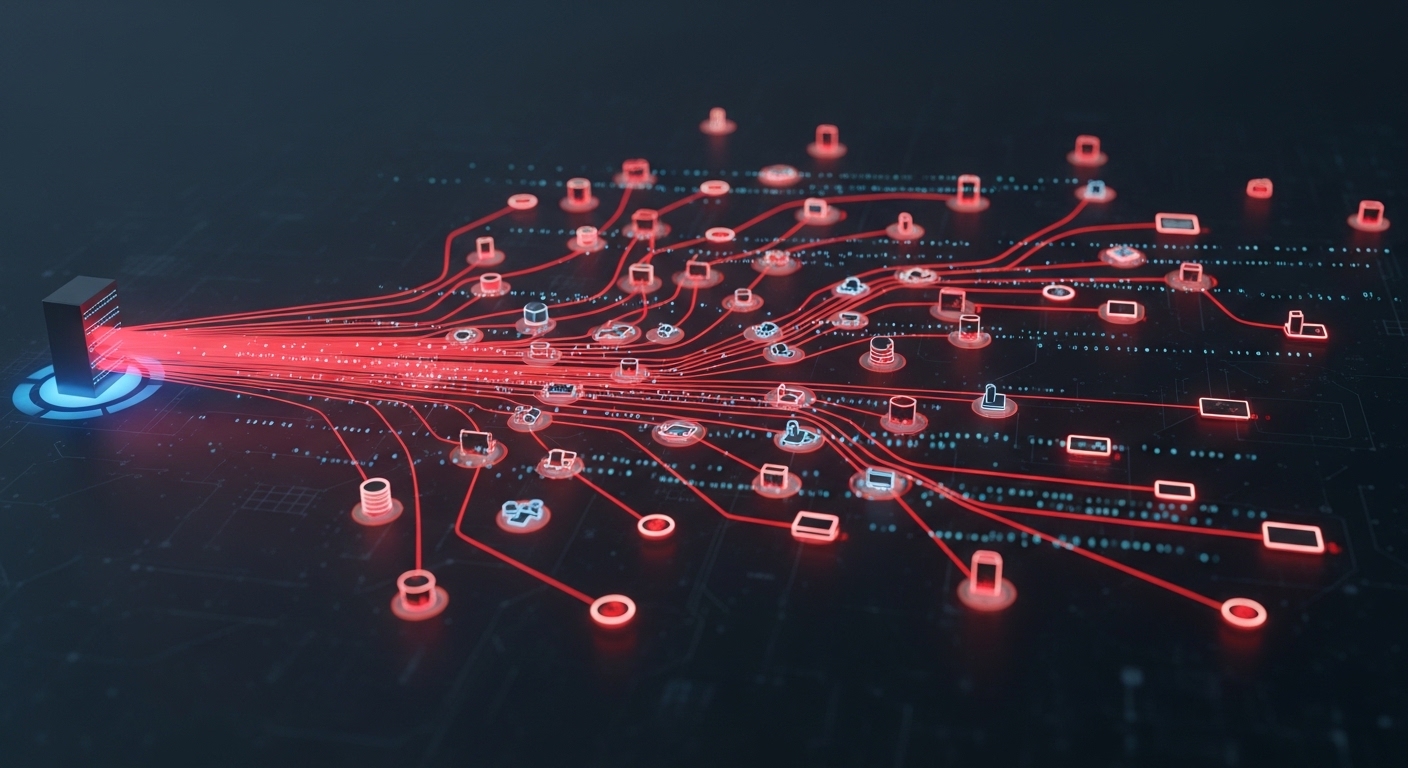
In the quiet weeks before Christmas 2020, cybersecurity analysts at SolarWinds noticed something odd in their software updates. What appeared routine was anything but. A meticulously crafted hackers attack had slipped through the supply chain, compromising one of the most trusted tools in corporate America.
Russian hackers linked to the Cozy Bear group executed the breach, weaponizing the Orion software update. It reached an astonishing 18,000 organizations worldwide. Among the victims were the Pentagon, Treasury Department, and Justice Department—core pillars of the U.S. government.
The hackers attack went undetected for months, allowing silent access to sensitive networks. Attackers exfiltrated data and maintained persistent footholds. Discovery came in December 2020, triggering one of the largest government response efforts in history.
This incident exposed the hidden dangers of trusting third-party software vendors. A single compromised update became a master key to America’s most guarded secrets. The SolarWinds hackers attack remains a textbook case of how supply-chain vulnerabilities can topple even the strongest defenses.
Colonial Pipeline – Ransomware That Shut Down US Fuel Supply
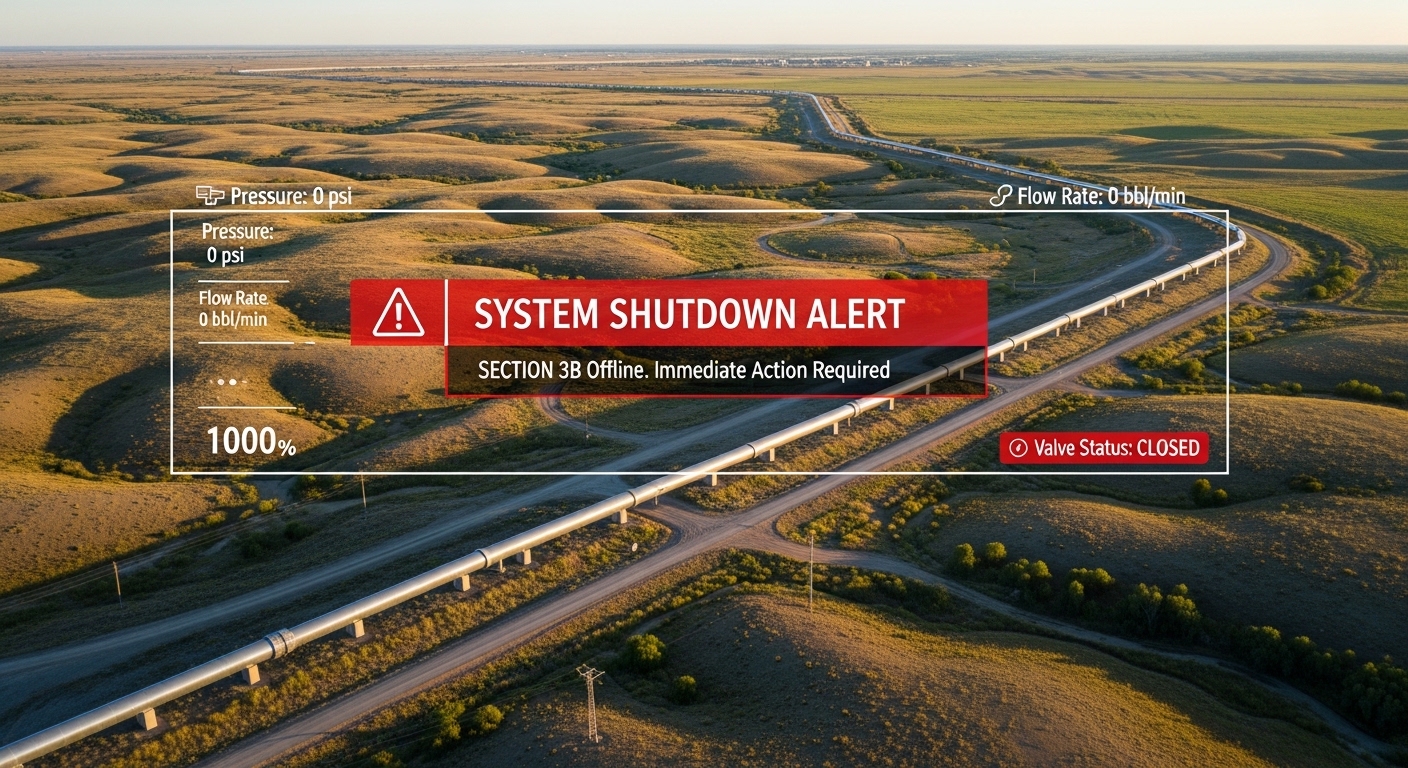
On May 7, 2021, the Colonial Pipeline control room fell silent. Computers locked. Operators stared at ransom notes demanding payment in cryptocurrency. A single hackers attack had just paralyzed the artery carrying 45 percent of the East Coast’s fuel supply.
“Every major breach I’ve analyzed shares a common thread: someone trusted something they shouldn’t have. Whether it’s a phishing email, a rogue USB drive, or a fake login page, human judgment remains the weakest link.”
Dr. Sarah Chen, Digital Forensics Expert, SANS Institute
The DarkSide ransomware group claimed responsibility. The 5,500-mile pipeline, stretching from Texas to New York, went offline for six days. Gas stations ran dry. Panic buying created shortages across multiple states. The economic ripple effects were immediate and severe.
Colonial Pipeline paid a $4.4 million ransom in Bitcoin to regain control. The U.S. government later recovered part of the funds, but the damage was done. The hackers attack highlighted how fragile critical infrastructure remains in the face of profit-driven cybercrime.
Colonial Pipeline’s $4.4 million ransom was paid in Bitcoin within hours. The FBI later recovered $2.3 million by tracing the cryptocurrency through blockchain analysis.
It showed that even non-state actors could bring a superpower to its knees with nothing more than malware and a keyboard. The Colonial Pipeline hackers attack is now studied in boardrooms and war rooms alike.
Massive Data Breaches
Data is the new oil, and hackers attack have turned vast repositories of personal information into gold mines for identity thieves.
These breaches expose millions—or billions—of records, often lingering undetected for years. The human cost is measured in ruined credit scores, stolen identities, and eroded trust.
Yahoo – 3 Billion Accounts Compromised
In the summer of 2013, Yahoo’s sprawling user database became the target of one of the largest hackers attack ever recorded.
By the time the dust settled, every single Yahoo account—roughly 3 billion—had been compromised. The company initially reported only 1 billion affected before revising the figure upward in 2017.
The scale was unprecedented. For many victims, it meant years of potential phishing risks and identity theft. The Yahoo hackers attack forced the tech industry to rethink password storage and breach notification timelines.
Even today, remnants of that stolen data circulate on the dark web. It serves as a permanent reminder that once information escapes, it can never be fully recalled. The incident reshaped how companies disclose and respond to massive data losses.
Equifax – 147 Million Americans Data Stolen

In the spring of 2017, credit-reporting giant Equifax discovered a catastrophic breach in its systems. Hackers had exploited a known vulnerability in Apache Struts software. The result was one of the most damaging hackers attack on American consumers in history.
Personal data belonging to 147 million people—roughly half the U.S. population—was stolen. Social Security numbers, birth dates, addresses, and in some cases credit card details poured out the door. The breach lasted from mid-May to July 2017 before detection.
Equifax faced lawsuits, congressional hearings, and a $700 million settlement. Consumers scrambled to freeze credit reports and monitor for fraud. The Equifax hackers attack exposed the terrifying reality that even the companies entrusted with our most sensitive financial data could fail spectacularly.
The incident accelerated calls for stronger data protection laws. It also highlighted how a single unpatched vulnerability could endanger an entire nation. Years later, many victims still live with the lingering threat of identity theft stemming from this breach.
Marriott – 500 Million Guest Records
For four long years, intruders lurked inside Marriott’s Starwood guest reservation database. The massive hackers attack went undetected from 2014 until 2018, when the hospitality giant finally discovered the breach. By then, records of approximately 500 million guests had been exposed.
Passport numbers, payment card details, email addresses, and phone numbers were among the stolen treasures. The sheer volume of sensitive travel data made it a hacker’s dream. Marriott disclosed the incident only after an internal investigation confirmed the scope.
The breach affected guests worldwide, eroding confidence in one of the largest hotel chains. Lawsuits followed, along with hefty regulatory fines. The Marriott hackers attack underscored how long dwell times—years in this case—can amplify the damage of any intrusion.
It also revealed weaknesses in corporate mergers and legacy systems. When Starwood was acquired, security gaps persisted. The incident became a cautionary tale for the entire travel industry about the need for continuous monitoring and rapid response.
Financial and Crypto Heists
Banking systems and cryptocurrency exchanges have proven irresistible targets for daring hackers attack. These operations blend technical brilliance with brazen greed. Billions have vanished in minutes, leaving behind ruined companies and furious victims.
Bangladesh Bank – $81 Million Stolen via SWIFT
On February 4, 2016, a quiet Friday morning in Dhaka turned into financial nightmare. Hackers had infiltrated Bangladesh Bank’s systems through the SWIFT international banking network. The attackers nearly pulled off the heist of the century.
The Bangladesh Bank hackers attack exposed critical flaws in global financial messaging systems. Banks worldwide rushed to patch vulnerabilities. It demonstrated how nation-state actors could fund operations through digital bank robbery.
The stolen funds were never fully recovered. The incident sent shockwaves through the banking world, prompting billions in new cybersecurity investments. It remains one of the boldest financial hackers attack on record.
Mt. Gox – 850,000 Bitcoin Vanished
In 2014, Mt. Gox was the world’s largest Bitcoin exchange, handling over 70 percent of global trades. Then disaster struck. A staggering 850,000 Bitcoins—worth about $460 million at the time, and billions today—simply vanished in one of the most infamous hackers attack in crypto history.
The exchange collapsed almost overnight. Customers lost life savings. CEO Mark Karpeles faced arrest in Japan on charges of data manipulation, though he maintained innocence. The precise method of the theft remains debated, but the damage was total.
The Mt. Gox hackers attack nearly killed the young cryptocurrency industry. It triggered massive price crashes and regulatory scrutiny. Yet it also forced surviving exchanges to adopt stronger security measures like cold storage and multi-signature wallets.
Years later, some funds have been recovered through bankruptcy proceedings. The saga still haunts Bitcoin’s reputation, serving as a stark warning about centralized exchange risks in the volatile world of digital assets.
Ronin Network – $625 Million Crypto Theft
On March 23, 2022, the Ronin Network bridge—used by the popular Axie Infinity blockchain game—became the victim of a lightning-fast hackers attack. North Korean-linked Lazarus Group exploited validator node compromises to drain $625 million in cryptocurrency.
The theft was the largest in DeFi history at the time. Funds vanished into anonymous wallets before anyone could react. Ronin Network, a sidechain for Ethereum, had been trusted with billions in player assets.
The Ronin hackers attack exposed vulnerabilities in blockchain bridges that connect different networks. Sky Mavis, the game’s developer, worked with authorities and eventually recovered some funds through negotiations and on-chain tracing.
This incident underscored how lucrative—and dangerous—crypto infrastructure had become. It prompted tighter security standards across the decentralized finance sector. The sheer speed and scale continue to awe and alarm experts.
How Do These Attacks Affect Regular People?

These headline-grabbing hackers attack may seem distant, but their impact lands squarely on ordinary lives. When massive data breaches occur, your personal information often ends up for sale on the dark web.
Passwords leak. Identities get stolen. One click on a phishing link later, and your bank account could be drained.
Ransomware does not just hit corporations. It shuts down hospitals, delaying surgeries and forcing ambulances to divert.
Schools lose access to grades and student records for weeks. Supply-chain attacks like SolarWinds mean the very software you rely on at work or home could be silently compromised.
The human toll is measured in stress, financial loss, and eroded privacy. Victims of the Equifax or Yahoo breaches still spend hours monitoring credit reports for suspicious activity. Families worry about passport numbers stolen in the Marriott incident being used for fraud years later.
“Studying historical hacking incidents reveals patterns that repeat in modern attacks. The same social engineering principles that worked in the 1990s are still effective today, just through different channels.”
Alex Rivera, CEH, OSCP
Fortunately, practical steps can reduce your risk. Use a reputable password manager to generate and store unique credentials. Enable two-factor authentication everywhere possible.
Keep all software updated. Consider Hoverwatch for monitoring family devices — read our full review.
Stay vigilant. Report suspicious activity immediately. The next big hackers attack may be impossible to predict, but individual preparation can limit the damage. In the end, cybersecurity is a shared responsibility—one that begins with awareness and ends with action.
Final Thoughts
Every major hackers attack in history exploited a simple weakness: an unpatched system, a reused password, a clicked phishing link, or a trusted software update. The attacks get bigger, but the entry points stay the same.
Protect yourself with the basics: unique passwords via a password manager, two-factor authentication everywhere, and keeping your software updated. Check haveibeenpwned.com to see if your data has been exposed in any breach.
Frequently Asked Questions
Yahoo holds the record with 3 billion accounts compromised. If you ever had a Yahoo email, your data was likely included. Check haveibeenpwned.com with your email address — it searches across all known breaches and tells you exactly which ones contain your data. Change passwords for any affected accounts immediately.
Rarely. Most breaches start with phishing emails that trick employees into clicking malicious links or entering credentials on fake pages. The SolarWinds attack was sophisticated, but Colonial Pipeline was shut down by a single compromised password. The majority of breaches exploit human error, not technical genius.
Directly, yes. When Equifax was breached, 147 million Americans had their Social Security numbers stolen. When Yahoo was hacked, 3 billion personal accounts were exposed. Your passwords, emails, and financial data end up on dark web marketplaces. That is why using unique passwords and 2FA matters for everyone, not just corporations.
Ransomware encrypts your files and demands payment (usually in cryptocurrency) to unlock them. Yes, it absolutely targets individuals — not just companies. It spreads through phishing emails, malicious downloads, and compromised websites. Keep backups of important files on an external drive, keep your OS updated, and don't click suspicious links or attachments.
Go to haveibeenpwned.com and enter your email address. It checks against every known public data breach and tells you which ones include your data. For each match, change that password immediately and enable two-factor authentication. Use a password manager to generate unique passwords for every account — that way one breach doesn't compromise everything.